
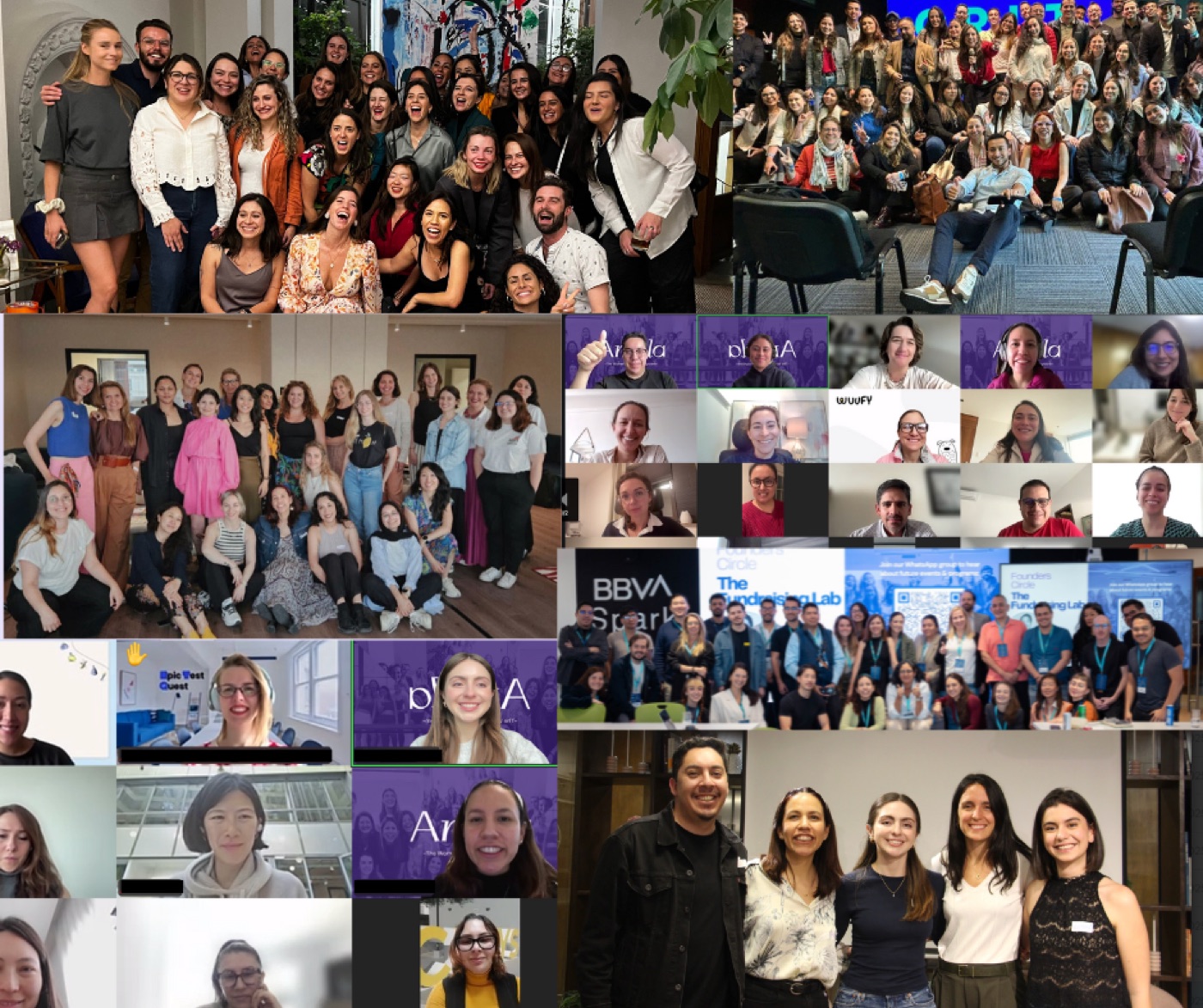
It’s been a little over two years since I made the leap to go full-time into building Amela, a.k.a. The YC for Women, a global network for women entrepreneurs building with technology, and it feels both like a lifetime and like no time at all. This piece is not about theories or strategies. It is about the raw, imperfect, sometimes painful lessons that surfaced in these past two years of building Amela.
Building this company has been a constant process of taking decisions, seeing them play out and living through the consequences of them. I had a lot of hypotheses that have turned out to be wrong, had to pivot several times and at this point my conviction has grown stronger than ever.
Now, I will be very honest: The leap was not an easy “hell, yes!”. I hesitated because Amela was born out of a problem that feels urgent but often invisible: gender inequality in entrepreneurship and venture capital. It is a problem both deeply personal and uncomfortably abstract. We know that women only get 2% of funding in startups globally, and it’s the same whether you look at Europe or Latin America. But it’s impossible to quantify the true impact of excluding half of humanity from building the future.
In the end, I stepped forward not because the path was clear, but because my conviction that this thing needed to be solved was louder than my hesitation.
Entrepreneurship, I have come to learn, requires both. It is both the most rational and the most irrational decision a person can make.
I have written before about why this problem matters. While I still stand by most of my analysis of this problem and its multilayered causes, my views on the necessary solution have evolved. That evolution has shaped Amela’s current value proposition and has also given me a strong view on why other solutions won’t work.
So let’s start with the learnings!
Year 1:
1. Failure is where the real learning happens
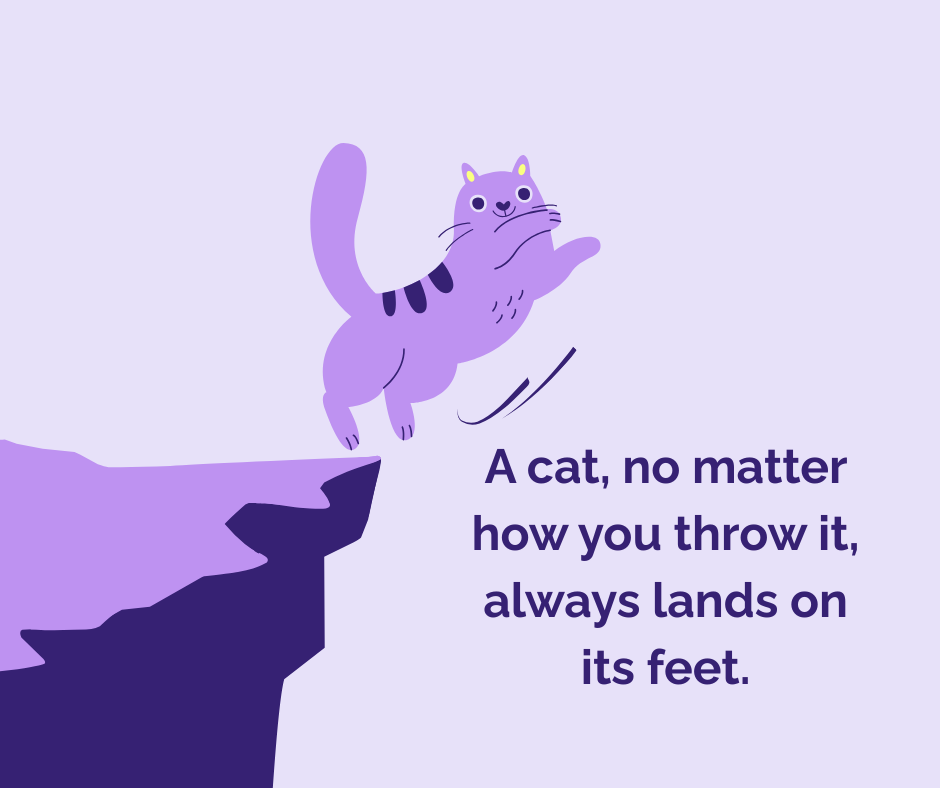
Entrepreneurship is a practice in falling. Again and again, you fall, get up, and keep going. As the saying goes, “a cat always lands on its feet.” In time, so does the entrepreneur.
People might say this casually, but it is very different to know it than to truly live it. For many first-time founders, and especially for women who often enter entrepreneurship with a background of high achievement and perfectionism, failure can feel unbearable. It collides with every instinct to perform flawlessly, to prove oneself, to win.
In my own journey, I had never failed as much as I did in my first year of Amela (i.e.right out of the gate we incorporated the company wrong). Compared to the relative linearity of consulting, graduate school, and corporate roles, entrepreneurship felt like a relentless cycle of trying, falling short, and trying again. It is uncomfortable and humbling. Yet, within that discomfort lies the essence of the job: failure is where the real learning happens.
The challenge is in finding the balance. Fail too often and you risk losing the company. Avoid failure and you stagnate. The founders I admire most are those who can look at what did not work, name the lesson, and move forward without shame. Reaching that mindset takes time. In the early days, it felt like chewing glass and the mindset struggle is real. On the bright side, this is also the foundation of resilience, and perhaps part of what makes entrepreneurship so special.
2. Having support network is critical
No founder makes it through the first year alone. Survival depends on having a support network that can take many forms: family who respect your decisions, friends who give you patience, and partners who stand behind you. Each one matters because entrepreneurship is heavy to carry without people who remind you that you are more than the company you are building.
The network that founders underestimate, is the support of peers.
Once you leave a job, you lose the built-in team and colleagues that gave structure to your days.
In the early stage, you may be the only one building, or perhaps share the weight with a co-founder and have a few employees or none. That is why it is essential to actively build a peer network, to find others walking the same path who can listen, encourage, and share lessons. In many ways, this was the reason I created Amela: to fill the gap I once felt so strongly, so that no founder has to face the loneliness of those first years without people by her side.
3. Encouragement is great, paying customers are even better
When you start a company, most people will cheer you on, at least on LinkedIn. They will clap, congratulate you, and tell you it is a wonderful idea. In my case, the mission was almost impossible to argue against: building a better world for women entrepreneurs. My mom, also an entrepreneur, warned me early on that encouragement would be plentiful, but that it meant nothing if I didn’t have paying customers and a business model. She was right.
The reality is that praise does not pay salaries or keep the company alive. This is the hard lesson that sits behind every inspiring founder story. Support from friends, family, and investors matters, but it cannot replace revenue. At the end of the day, success comes down to whether you can turn encouragement into a product people actually use, and into sales that make the business sustainable.
4. Partners are often temporary
After my first company, I realized how important it was to share the journey with someone. So I started Amela with a co-founder; their presence gave me the confidence to take the leap. For a while, it felt like the perfect setup: we were aligned, motivated, and building something we both believed in.
However, partnerships are often temporary. After the first year, the co-founder left, and I realized this was not unusual. In fact, in Amela’s own community, I have seen co-founder splits happen all the time, sometimes after years, sometimes after weeks.
It taught me that partners are often temporary. Visions change, circumstances shift, and what once worked no longer does.
It was painful, but it forced me to confront a truth: conviction alone is not enough, and yet it cannot be replaced. What sustained me was both my own determination and the support network I had built around me — my peers, my investors, and my personal circle. With them, I found the strength to keep going.
I have also learned that partnership does not always have to look like the fairytale of a perfect 50–50 co-founder. That model is not only rare, it is often unrealistic. Partnerships will change shape, and you may need different people for different stages. The lesson is to accept that, and to keep building with those who stand with you, for as long as the path makes sense to both parties.
5. Getting a therapist might save your “non-work” life
Entrepreneurship feels like a roller coaster. Some days you are on top of the world, proud of building your own path and betting on yourself, and other days everything falls apart. You feel like a failure, like you have disappointed your investors, your friends, your family. Based on my experience in my first venture, I knew this was the nature of the journey, so this time I decided to get a therapist from the start. It was one of the most important decisions I made.
Your company will probably survive the ups and downs, but your personal life might not. Partners, family, and friends can love you deeply, but they are not built to absorb all of your stress and despair. Having a therapist gave me a place to release the weight, to process frustration without breaking relationships, and to keep perspective when things felt unbearable. It reminded me that the lows are temporary, that I have been here before, and that I will get through it again.
For me, therapy was the safeguard that kept my non-work life from slipping away: making time for sports, keeping my Monday lunches with my boyfriend, and showing up to celebrate with my friends at birthdays, baby showers, and weddings. I encourage any founder to consider it. It may be one of the highest-return investments you ever make.
Year 2:
6. Raising capital can change your destiny
The first time I tried entrepreneurship, I raised no capital. Later, as an investor, I understood the importance of having capital to make a big vision a reality. This time, one of the best decisions I made was raising capital early, even though at the time it felt deeply uncomfortable.
The amount was modest by any standard, but what it gave me was priceless: time to figure things out, and a network of people who believed enough to take a bet on me. That belief, capital and support carried me through pivots, through the messy middle where Amela had no clear model, and through the fear of running out of money to see this through.
Capital does more than extend your runway.
The right investors also give you perspective, connections, and sometimes even emotional support.
When things were falling apart — no revenue, cash almost gone, co-founder gone — I even sent an email saying we might have to shut down. Instead of walking away, most of my investors leaned in and asked how they could help. That kind of support cannot be quantified, and definitely changed the outcome.
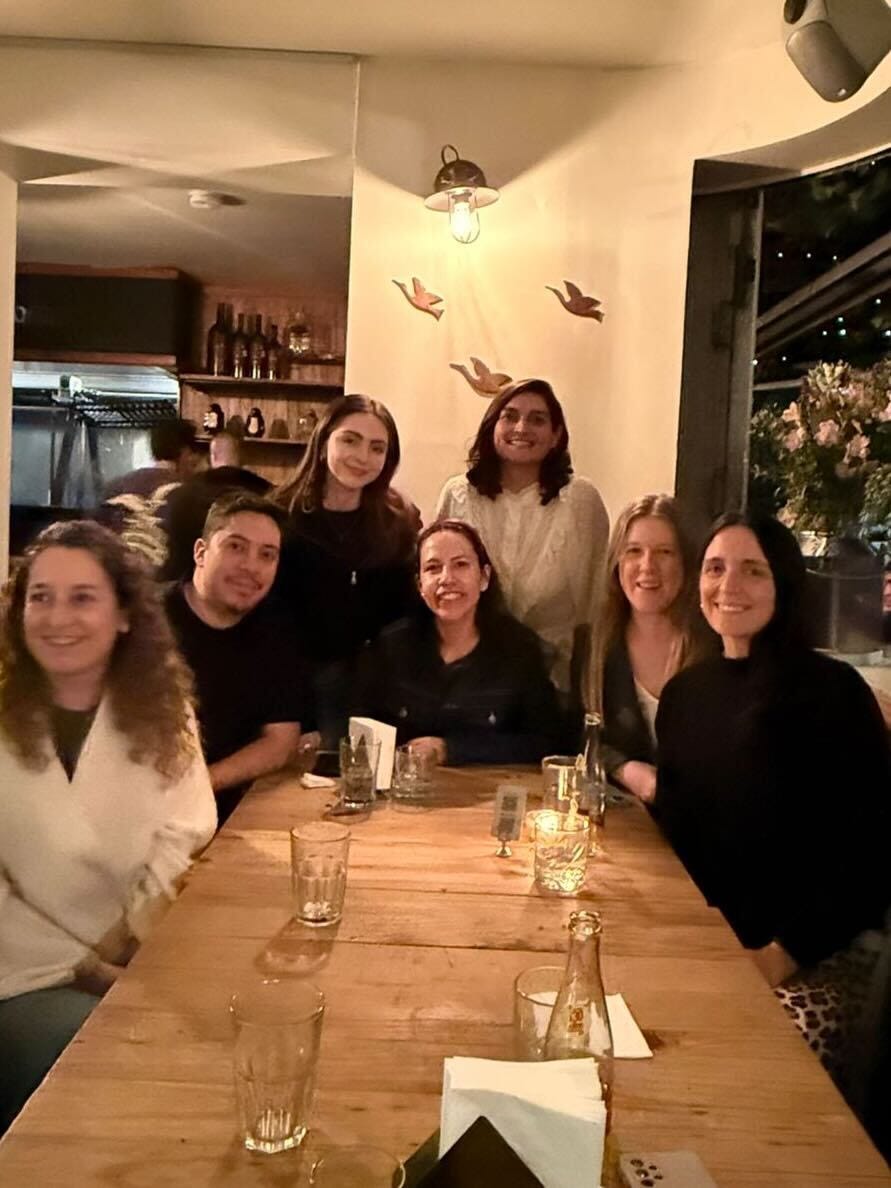
I highly encourage more entrepreneurs to take a bit of capital from the right people. I have taken the learnings from the Amelas raising capital, my own raises and experiences as an investor and put it on our Fundraising Bootcamp so we stop seeing capital as just cash.
7. Continuous learning is not optional for entrepreneurs
I have always valued education. I worked my way into the Rotterdam School of Management as an undergrad and later did my MBA at INSEAD, one of the top schools in the world. I thought that would be it, that I had already completed the business education I needed. I was wrong. There is a big difference between studying theory and applying it while building a company. Once you are in the middle of it, you realize how much you still need to learn, and how often you need to relearn things you thought you already knew.
This year I started taking courses alongside my work, focusing on areas that could directly shape Amela or help me grow as a leader, from content creation and marketing to AI prototyping and public speaking. These gave me shortcuts and tools I could apply right away, like rebuilding our website, refining how I teach, and engaging customers more effectively.
Through this, I also developed a deeper respect for practitioners and for community-led courses. Universities provide strong foundations, but practitioners experiment in real time and teach what actually works. Cohort-based programs add the accountability to apply lessons quickly. That is why we have mirrored this approach at Amela with programs like Zero to Builder, where founders build their MVPs in a set timeframe with peer support. These experiences reminded me that continuous learning is not optional for entrepreneurs. No matter how much you have studied, you will need to learn again, and having the right structure around it can save you a lot of time and pain.
8. Who you hire is key
Who you hire is key. As a former investor, I always heard this from founders, but I still had to live it to truly understand. The people you bring into the company are the ones who shape the culture, set the tone for how the company works, and either help you build faster or slow everything down. No matter how hard you work, it is rare to build something alone. Thus, in people we trust (yes, even in this AI-obsessed world!).
Early-stage hiring is particularly tricky. Not everyone is cut out for the uncertainty of a startup. You need people who are resilient, comfortable with constant change, and can execute fast. Titles and pedigrees mean little if someone cannot roll up their sleeves. The best people not only execute but also bring opinions and creativity to the table.
I have been fortunate to hire people who pushed the company forward, and I have also made mistakes — sometimes it was simply the wrong timing, other times the wrong fit. Letting people go is never easy, but it is sometimes necessary. In the end, this is a business, not a family.
9. Resilience sounds good but feels awful
Resilience is one of those words that sounds inspiring from the outside. Everyone admires grit, and I once believed it was simply a trait the best founders had. What I learned is that you only understand resilience when you are forced to live it. It does not feel noble. It feels exhausting. It is what remains when strength is gone and you still decide not to give up.
Last year taught me this in ways I did not expect. Splitting from a co-founder, pivoting the business, rebuilding from near collapse — it all demanded more than I thought I had. At first, I called it strength, but one of my investors reminded me the right word was grit and resilience. That reframing stuck.
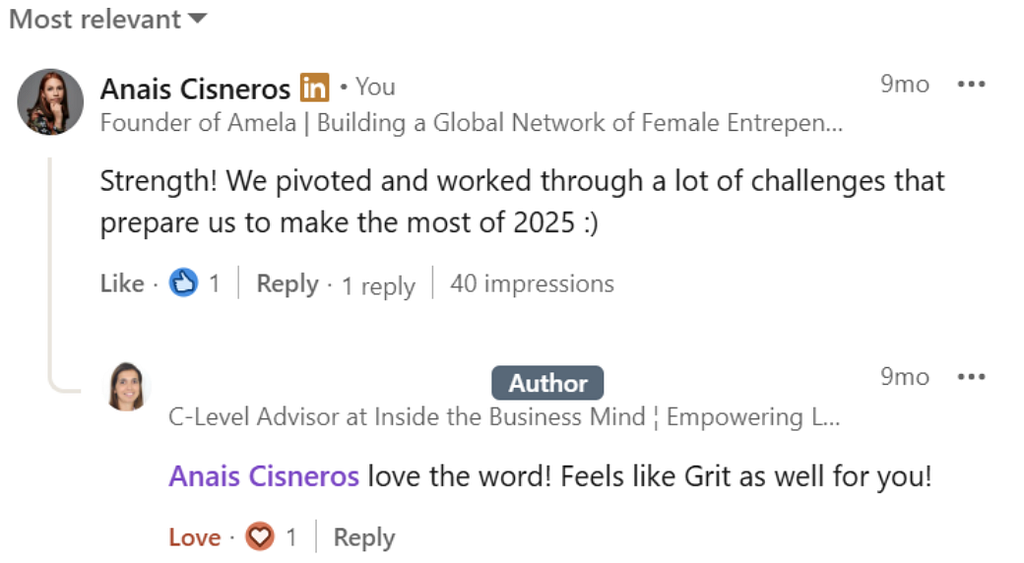
Most companies do not die from competition, they die when founders stop believing. Resilience is what keeps you from stopping too soon. It is not glamorous, and it rarely feels good, but it may be the single most important decision you make: to keep going when you have every reason not to.
10. Stopping for moments is critical
Entrepreneurs tend to be intense people, often high-energy and driven to do more than a standard nine-to-five. The drive that makes you build also tempts you to ignore limits, to push until your body or your relationships force you to stop. I learned this the hard way. Building Amela on “hard mode” — solving a difficult problem, with a global ambition — demands intensity. But I also have seen that intensity without pauses often leading to burnout in far too many peers.
The balance is imperfect and fragile. Rest too much, and you risk falling behind. Rest too little, and you break. The key is to recognize when you are approaching the edge, and to stop before you cross it. For me, this summer, a week away was key to reset and keep going.

Entrepreneurship is not about avoiding exhaustion entirely — it is about learning to dance with it, pushing when you must, pausing when you need, and making sure you last long enough to see the vision through.
These 793 days have taught me that you can achieve anything you put your mind to, and that most problems can be turned into a business when well structured and attached to a business model. The real challenge is learning and iterating fast enough to turn a vision into a viable reality.
Entrepreneurship in many ways is a mental gym. It stretches you, tests your limits, and forces you to confront some of your worst fears and flaws. It is like looking into a mirror that shows both your weaknesses and your potential. And yet, it is also what builds resilience, grit, and strength a little bit like that song by Kelly Clarkson, “what doesn’t kill you makes you stronger”. The setbacks, the partner splits, the pivots, the moments of doubt — all of them shaped me into a stronger founder and a stronger person.
For me and for Amela, the path ahead is clear. How do we increase our impact? How can we make our product better for the women we serve? How do we grow the revenue that will make this mission sustainable? These years have given me a foundation, and now I am ready to keep building. To ensure that every woman with capacity and a dream has the chance to realize it through entrepreneurship.